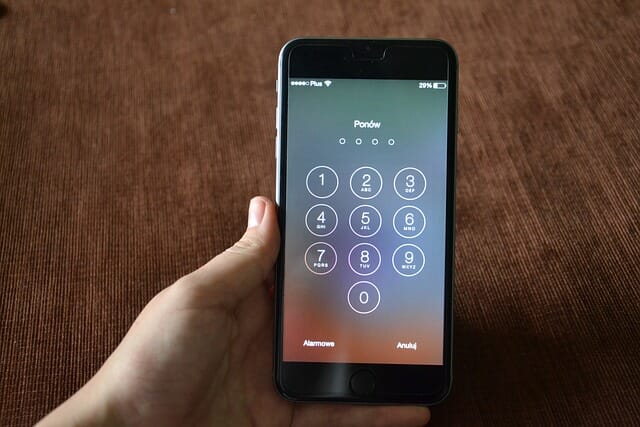
Understanding How Phone Verification Can Prevent Identity Theft
Introduction
In an era where our lives are more connected than ever, the threat of identity theft looms larger. With personal information easily accessible online, it’s imperative to employ robust security measures to safeguard our identities. One effective method is phone verification. This article will explore how phone verification can significantly reduce the risk of identity theft. We’ll delve into various aspects, including how to identify a phone number, utilize caller ID, and leverage phone number validation techniques.
Understanding this process not only enhances your personal security but also provides insights into why businesses should adopt it as a standard practice.
Understanding How Phone Verification Can Prevent Identity Theft
Phone verification serves as a powerful tool in the battle against identity theft. By requiring users to confirm their identity through a unique code sent to their registered mobile number, organizations can create an additional layer of security that is hard for malicious actors to bypass.
What is Phone Verification?
Phone verification is the process of confirming a user's identity by sending a one-time passcode (OTP) or link via SMS or voice call to their registered phone lookup phone number. The user must then enter this code on the platform they are accessing. This simple step can thwart many unauthorized access attempts.
Why is Phone Verification Important?
The importance of phone verification cannot be overstated. It acts as Spam call identification a barrier between your sensitive information and potential fraudsters looking to exploit vulnerabilities. By adding this step, you effectively ensure that only authorized individuals can access accounts tied to your personal information.

How Does Phone Verification Work?
This straightforward process plays a crucial role in maintaining security across platforms.
The Role of Caller ID in Identity Protection
What is Caller ID?
Caller ID displays the name and number of incoming calls, helping users identify who’s reaching out before answering. This feature can help prevent falling victim to scams since Cell phone lookup many identity thieves use spoofing techniques to disguise their real numbers.
How Does Caller ID Help Prevent Identity Theft?
- Recognizing Legitimate Calls: Knowing who’s calling allows users to verify whether the call is from a trusted source.
- Avoiding Scams: If the caller ID shows an unfamiliar or suspicious number, users can refrain from answering or engaging with potential scammers.
Using caller ID effectively empowers individuals with knowledge about who’s attempting to contact them.
Best Practices for Using Caller ID
By adopting these practices, you enhance your defenses against identity theft.
Phone Number Checker: An Essential Tool for Security
What is a Phone Number Checker?
A phone number checker verifies whether a given phone number exists and if it’s active or valid within its network infrastructure.
Why Use a Phone Number Checker?
- Prevent Fraudulent Registrations: Businesses often use this tool during user registration to ensure that provided numbers are legitimate and reachable.
- Improve Communication Strategies: Knowing whether numbers are valid helps companies target communication more effectively.
A phone number checker acts as an essential line of defense against identity fraud by ensuring authenticity at the point of entry.
How Does Phone Number Validation Work?
Employing such checks mitigates risks associated with fraudulent activities significantly.
Understanding Different Types of Phone Verification Methods
SMS Verification vs Voice Call Verification
Both methods serve similar purposes but come with their pros and cons:
SMS Verification
- Quick and convenient
- Requires users have texting capabilities
Voice Call Verification
- Useful for users without SMS capability
- May require more time due to voice reading
Choosing between these options depends on your user demographic's needs and preferences.
Two-Factor Authentication (2FA)
2FA combines two different methods—something you know (like a password) and something you have (like your mobile phone). This dual-layer approach fortifies Reverse phone search security further by ensuring that even if one method fails, there remains another line of defense against unauthorized access.
FAQs About Phone Verification
- While some services allow landline numbers for verification through voice calls, most platforms prefer mobile numbers due to better accessibility and immediate response capabilities via SMS.
- SIM swapping occurs when someone tricks your carrier into transferring your number onto another SIM card they possess, allowing them access through any verification methods linked with that number—hence why securing personal data is vital!
- Yes! Most platforms allow updates post-verification; however, re-verification might be necessary depending on their policies concerning changes in contact details—always check guidelines accordingly!
Conclusion
In conclusion, understanding how phone verification can prevent identity theft equips individuals and businesses alike with essential tools needed in today’s digital landscape where threats lurk around every corner! By leveraging technologies like caller IDs alongside effective validation systems such as SMS confirmations & 2FA options – we strengthen our defenses significantly!
Ultimately safeguarding our identities requires vigilance & proactive measures – so don’t delay! Implement these strategies today & bolster your protection against would-be thieves aiming at stealing what rightfully belongs solely TO YOU!